There was a time when water storage felt like something to sort out later, after the bigger decisions had been made. On farms, building sites, workshops and even in community spaces, it was often treated as a practical extra, not part of the first plan. That seems to be changing. Rising utility costs, longer dry spells and a wider push for resilience have made people think harder about how water is stored and moved on site.
This shift is not limited to large industrial settings. Smaller businesses and rural properties are asking sharper questions about capacity, hygiene and handling. A tank is no longer just a tank. It has to fit the space available, suit the liquid being stored and work properly with pumps, cages, pallets and delivery access. Storage is entering the conversation much earlier.
That helps explain why online searches around containers have become more specific. Someone looking into ibc tanks for sale may not be making an impulse purchase. They may be comparing formats for rainwater harvesting, temporary site supply or basic bulk storage where drums do not hold enough. The search term says as much about planning habits as it does about demand. People want standardised solutions they can assess properly before they commit.
What buyers tend to weigh up first
- Whether the container is suitable for potable or non-potable use
- How much space a full unit will need, including access around it
- Whether new or reconditioned stock makes more sense for the job
It is a modest change, but a telling one. Practical kit that once sat in the background is now being considered with the same care as tools, machinery and materials. In uncertain times, that feels less like overthinking and more like sensible preparation.
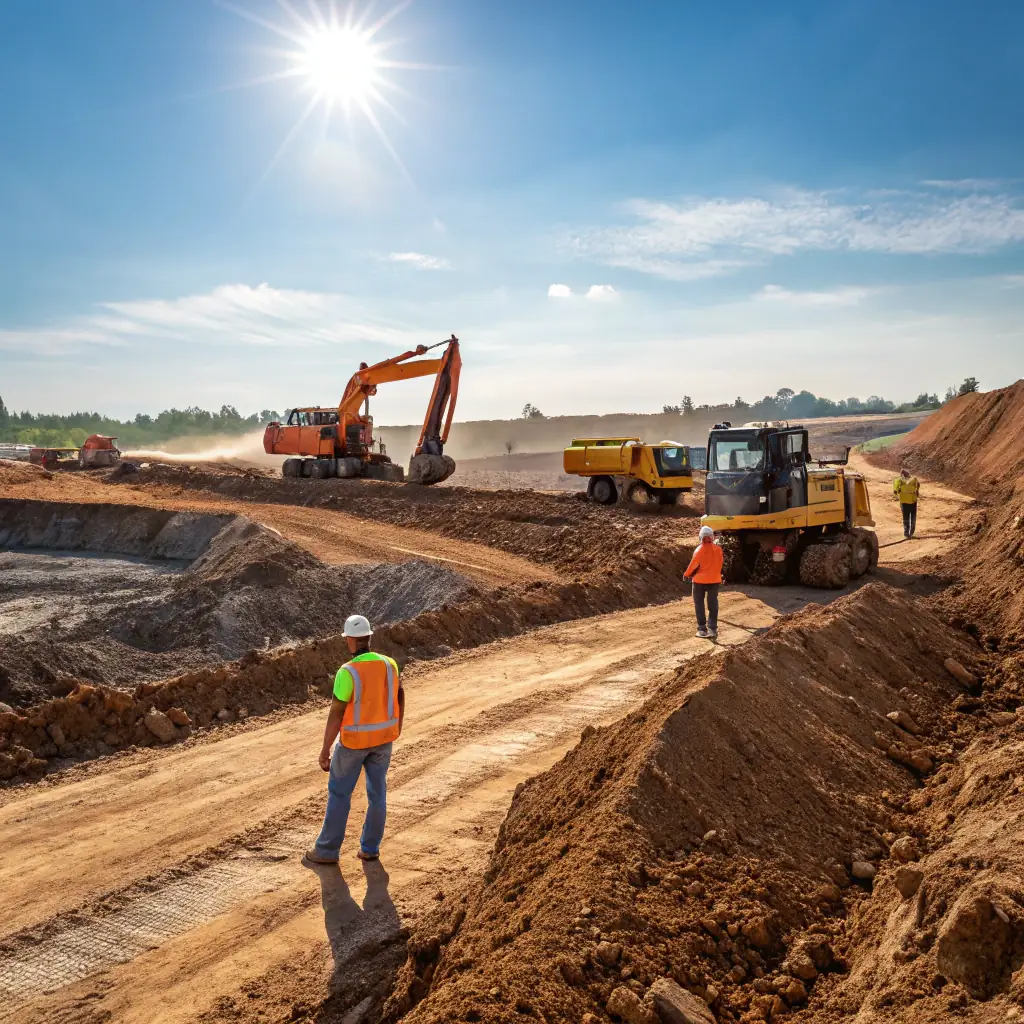
Featured image credit: AI generated.