The materials used in a construction project influence far more than its finished appearance. They affect structural performance, energy efficiency, maintenance requirements, running costs and how well a building copes with everyday use. With such a wide range of products and construction methods available, selecting the right materials requires careful thought about the building’s purpose, environment and expected lifespan.
While appearance and initial cost are naturally important considerations, the cheapest option is not necessarily the most economical over the longer term.
Matching Materials to the Building’s Purpose
Different buildings place different demands on their materials. A residential property, for example, needs to provide comfort, thermal efficiency and protection from the elements. A commercial or industrial building may have to accommodate heavier equipment, higher footfall or more demanding working conditions.
These differences should influence decisions from the earliest design stages. Flooring, wall systems, roofing materials and structural components all need to be suitable for the conditions in which they will be used.
External materials deserve particular attention. Buildings are continually exposed to changing temperatures, rainfall, wind and sunlight. Choosing products that can withstand local weather conditions helps prevent premature deterioration and reduces the need for frequent repairs.
Looking Beyond the Initial Price
Budget management is an important part of any construction project, but material costs should be assessed in the context of their expected performance.
For example, a higher-quality roofing material may have a greater upfront cost but offer a longer service life and fewer maintenance requirements. Similarly, investing in effective insulation and suitable glazing can improve energy efficiency and help reduce heating and cooling costs.
The same principle applies to structural materials and internal finishes. Products that are hard-wearing and straightforward to maintain can prove more cost-effective in buildings that experience regular use.
Considering the whole-life cost of materials gives clients and contractors a more realistic picture of value. It also helps avoid decisions that save money during construction but create unnecessary expense once the building is occupied.
The Growing Importance of Sustainable Materials
Environmental considerations are playing an increasingly important role in construction. Clients are paying closer attention to the materials used in their buildings, including where they come from, how they are manufactured and what happens to them at the end of their useful life.
Recycled and reclaimed materials can offer opportunities to reduce waste, while responsibly sourced timber and products with recycled content can help lower the environmental impact of a project.
There is also growing interest in materials that improve the energy performance of buildings. Effective insulation, high-performance glazing and suitable airtightness measures can all contribute to lower energy consumption.
However, sustainability should be considered alongside durability and suitability. A material is not automatically the better choice simply because it is recycled or has a lower manufacturing impact. Its performance, maintenance needs and expected lifespan all matter.
Getting the Specification Right
Selecting appropriate materials is only part of the process. They must also be correctly specified, sourced and installed. Even excellent products can underperform if they are unsuitable for the application or fitted incorrectly.
Clear specifications help ensure that everyone involved understands the required standards, dimensions, finishes and performance criteria. They also make it easier to coordinate deliveries and avoid substitutions that could compromise the original design.
Construction teams need to consider how different materials work together, too. Compatibility between structural components, insulation, membranes, fixings and finishes can have a significant bearing on the completed building.
Quality That Continues After Completion
The success of a construction project should not be measured solely by its appearance on handover day. A well-designed building needs to remain functional, efficient and structurally sound throughout its working life.
Choosing materials with care, considering long-term performance and ensuring they are properly installed all contribute to that outcome. Ultimately, good material selection is an investment in the quality of the finished building and the people who will use it for years to come.
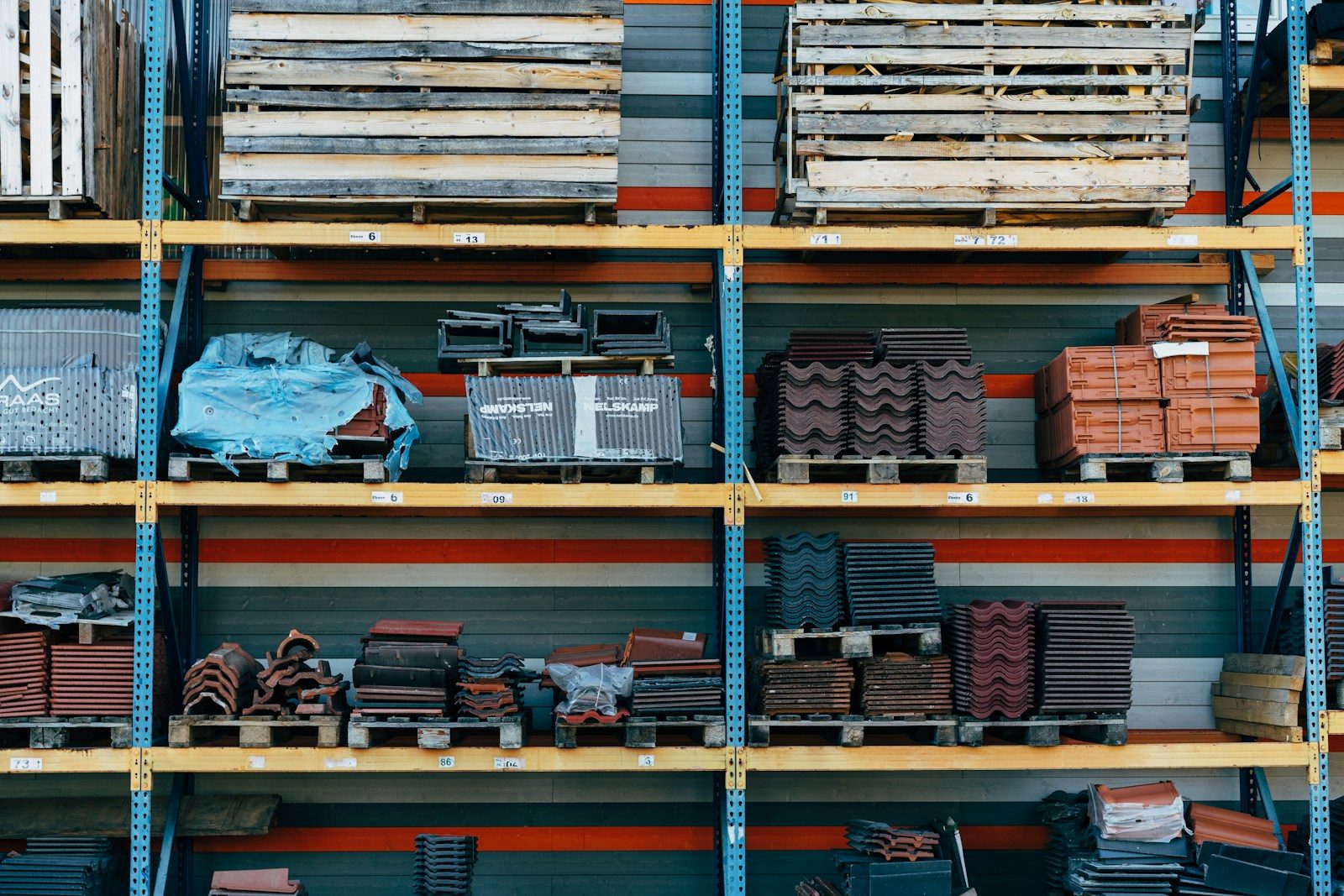
Photo by Markus Winkler.