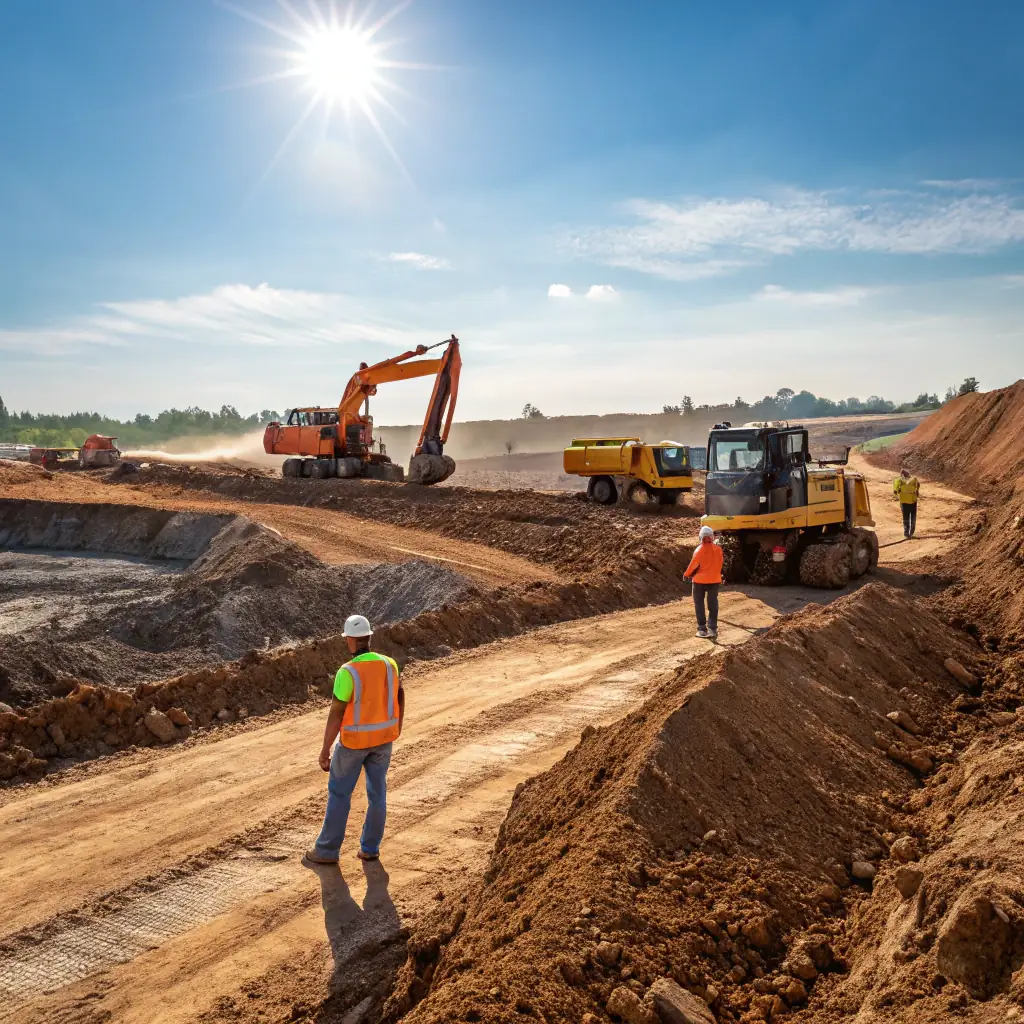
A successful construction project is rarely defined by what happens on the surface alone. While the finished building, its appearance and the quality of its interior features tend to attract the most attention, much of the work that determines its long-term success takes place before the main construction even begins. From site surveys and ground investigations to drainage, foundations and access planning, getting the groundwork right is essential to keeping a project on track.
Understanding the Site Before Breaking Ground
Every construction site presents its own set of challenges. Ground conditions, surrounding structures, access restrictions and existing services can all influence how a project needs to be approached. What works perfectly on one site may be entirely unsuitable for another.
A thorough site assessment helps identify potential problems before they become expensive complications. Soil composition, groundwater levels and the presence of underground services can all affect foundation design and the methods used during construction. Where these factors are overlooked, contractors may face delays, additional costs or even structural issues further down the line.
Good preparation also involves understanding the practicalities of working on the site. Deliveries, machinery movements, material storage and safe access routes all need consideration, particularly where space is limited or construction is taking place close to occupied buildings.
Why Foundations Deserve Particular Attention
Foundations provide the structural support for everything built above them. Their design must take account of the building’s size, weight, intended use and the characteristics of the ground beneath it.
There is no universal approach. Depending on the conditions, a project might require traditional strip foundations, reinforced concrete foundations or more specialised solutions. Choosing the right method is a matter of engineering assessment rather than simply following what has worked elsewhere.
Poor foundation design or installation can lead to settlement, cracking and movement that may be difficult and costly to rectify. Investing time in the early stages helps reduce these risks and gives the rest of the construction process a reliable starting point.
Planning for a More Efficient Build
Groundworks are also closely connected to the wider construction programme. Drainage installations, underground utilities and service connections need to be coordinated with foundation work and the subsequent stages of the build.
If these elements are not properly planned, contractors may find themselves revisiting completed areas to install services or resolve clashes between different parts of the project. This creates unnecessary disruption and can affect both budgets and completion dates.
A well-organised approach considers the entire construction sequence from the outset. This allows different trades and contractors to work more effectively, with materials, equipment and labour available when needed.
Building on Solid Foundations
Construction quality is not simply about the finished appearance of a building. It starts with the decisions made long before the walls begin to take shape.
Thorough site investigations, appropriate foundation design and carefully coordinated groundwork provide the conditions for a smoother construction process. By giving these early stages the attention they deserve, construction firms can reduce avoidable risks, protect project budgets and deliver buildings designed to perform reliably for years to come.
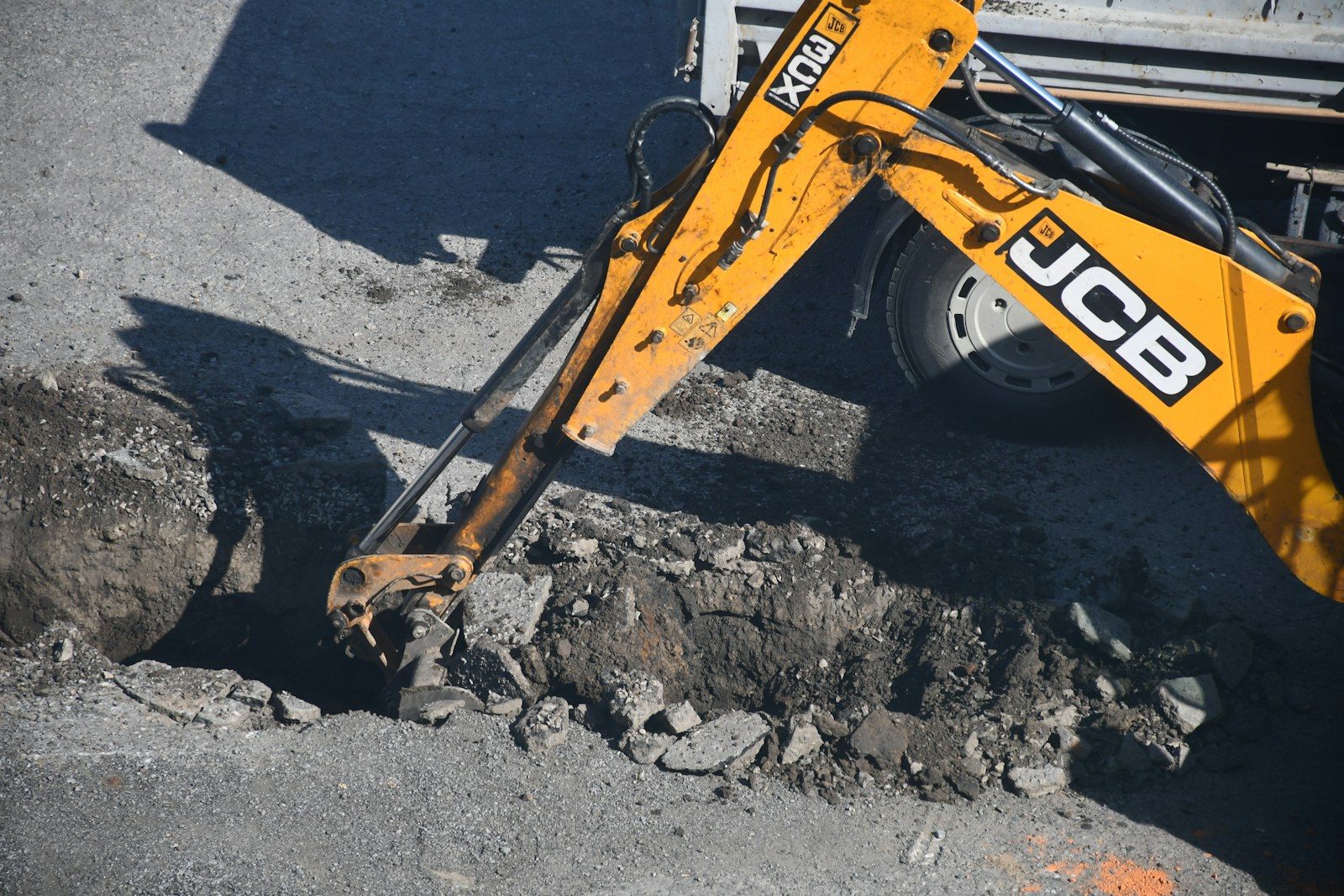
Photo by Anna Kharkivska.