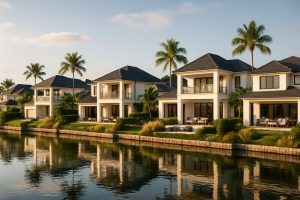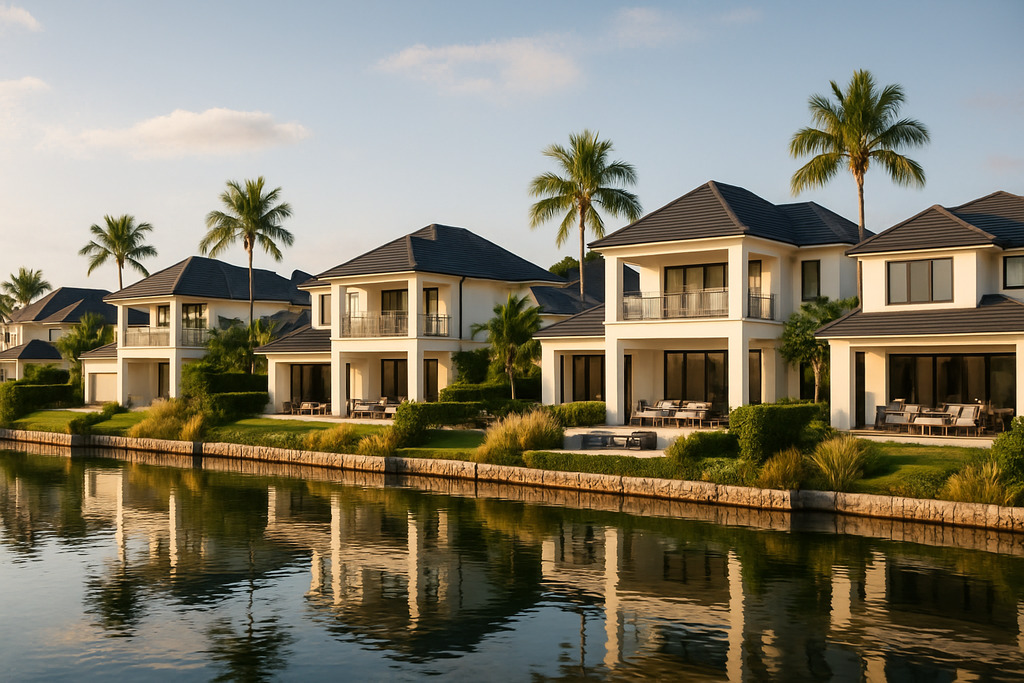
As demand for coastal and riverside properties continues to rise, engineers are facing increasing pressure to make these environments safer and more sustainable. Buyers are particularly drawn to waterfront houses for their aesthetic appeal and lifestyle benefits, but these properties also come with unique environmental risks that require robust flood defence strategies. From rising sea levels to extreme weather events, modern engineering plays a critical role in protecting both property and people.
Understanding Flood Risk In Waterfront Developments
Waterfront locations are inherently exposed to natural water movement, whether from tides, rivers, or storm surges. Flood risk assessments are therefore a fundamental part of any development involving waterfront houses. Engineers must evaluate historical flood data, topography, and projected climate change impacts to inform safe design decisions. This data-driven approach ensures that developments are not only compliant with regulations but also resilient over the long term.
Key Flood Defence Systems Used In Waterfront Engineering
A range of structural and non-structural flood defence solutions are employed to protect waterfront houses. These include:
- Flood walls and embankments designed to contain rising water levels.
- Sustainable drainage systems (SuDS) that manage surface water runoff effectively.
- Tidal barriers and gates that can be deployed during high-risk conditions.
- Raised building platforms or stilts to elevate living spaces above flood levels.
Each solution is tailored to the specific site conditions, ensuring optimal performance without compromising the natural landscape.
Integrating Smart Technology Into Flood Protection
Modern flood defence is increasingly incorporating smart technology. Sensors and monitoring systems can provide real-time data on water levels, enabling early warning systems and automated responses. For waterfront houses, this might include automated flood gates or alerts that allow residents to take preventative action. Engineers are also using predictive modelling software to simulate flood scenarios, helping to refine designs before construction begins.
Sustainable Design For Long-Term Resilience
Sustainability is a key consideration in the design of flood defences. Rather than relying solely on hard engineering solutions, many projects now integrate nature-based approaches. These might include restoring wetlands, creating buffer zones, or using permeable materials to reduce runoff. Such strategies not only enhance flood resilience but also support biodiversity and improve the overall environment surrounding waterfront houses.
Regulatory Standards And Compliance In The UK
In the UK, developments involving waterfront houses must adhere to strict planning and environmental regulations. The Environment Agency provides guidance on flood risk management, while local planning authorities enforce compliance through planning permissions. Engineers must ensure that all designs meet these standards, including flood risk assessments and mitigation strategies. Failure to do so can result in delays, additional costs, or even project rejection.
Future Trends In Waterfront Flood Engineering
Looking ahead, the engineering of waterfront houses is set to evolve further as climate challenges intensify. Innovations such as floating architecture, adaptive foundations, and advanced materials are gaining traction. These developments aim to create properties that can withstand changing water levels rather than simply resisting them. As a result, the future of waterfront living will likely be defined by flexibility, resilience, and smart design integration.